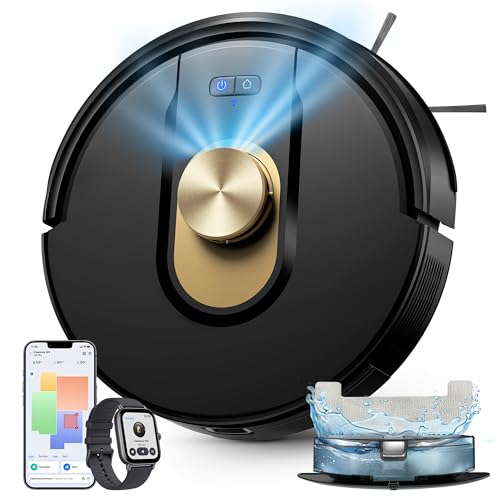
Roborock Vexilar W9 Robot Vacuum Cleaner With Mop
A robot vacuum (,8000 Pa, vacuum + mop), a capable hands-off cleaner with LiDAR laser navigation for everyday floor upkeep.
For allergy sufferers, a robot vacuum that captures fine dust and pet dander rather than stirring it up makes a real difference. This guide covers what to look for in an allergy-friendly robot and which models we rate.
For allergies, choose a robot with a HEPA or high-grade filter, strong suction and a sealed bin, ideally with a self-empty dock so you are not exposed to dust when emptying. Daily automated cleaning keeps allergen levels down between deep cleans, and trapping fine particles rather than recirculating them is the key feature to confirm.
Everyday dust, pollen and pet dander settle on floors and get stirred back into the air when disturbed. A robot that vacuums daily and traps the fine particles in a good filter keeps allergen build-up down without you breathing in a cloud each time you clean. The combination of frequency and filtration is what helps allergy and asthma sufferers.
Emptying a robot's bin by hand releases a puff of fine dust - exactly what allergy sufferers want to avoid. A self-empty dock seals the dust into a bag, so you handle it far less often and with less exposure. Combined with a HEPA filter, this makes the whole cleaning cycle much friendlier for sensitive households.
Allergy-friendly robots suit hay fever and asthma sufferers, and pet owners who want to keep dander and dust down daily. They are also good for homes with carpets, where allergens settle deep. If no one in the home has allergies, a standard filter is fine, though good filtration never hurts.
A robot vacuum (,8000 Pa, vacuum + mop), a capable hands-off cleaner with LiDAR laser navigation for everyday floor upkeep.

A robot vacuum (8000 Pa, vacuum + mop), a capable hands-off cleaner with LiDAR laser navigation for everyday floor upkeep.

A robot vacuum (10000 Pa, vacuum + mop, self-empty), a capable hands-off cleaner with LiDAR laser navigation for everyday floor upkeep.

A robot vacuum (4000 Pa), a capable hands-off cleaner for everyday floor upkeep.

A robot vacuum (5,000 Pa), a capable hands-off cleaner with LiDAR laser navigation for everyday floor upkeep.

A robot vacuum (6000 Pa, vacuum + mop, self-empty), a capable hands-off cleaner with LiDAR laser navigation for everyday floor upkeep.

A robot vacuum (22,000 Pa, vacuum + mop), a capable hands-off cleaner with camera-based navigation for everyday floor upkeep.
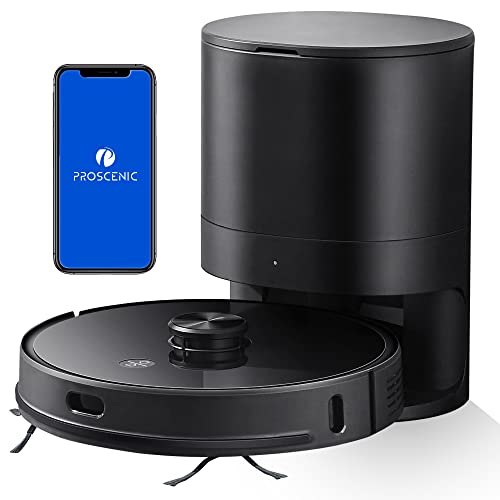
A robot vacuum (2700 Pa), a capable hands-off cleaner with LiDAR laser navigation for everyday floor upkeep.
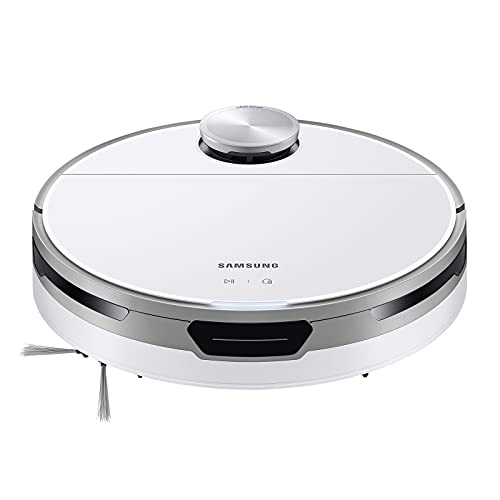
A robot vacuum, a capable hands-off cleaner with LiDAR laser navigation for everyday floor upkeep.

A robot vacuum (vacuum + mop, self-empty), a capable hands-off cleaner with LiDAR laser navigation for everyday floor upkeep.
Yes, if they have a HEPA or high-grade filter and strong suction. Daily automated cleaning keeps dust, pollen and dander down, and trapping fine particles rather than recirculating them is what helps allergy sufferers.
Many do, especially mid-range and up. A HEPA or high-grade filter traps fine dust and dander, which matters for allergies. Confirm the filter grade and keep it clean, as a clogged filter works far less well.
Yes - it seals dust into a bag so you are not exposed to a cloud of fine particles each time you empty the bin by hand. Paired with a HEPA filter, it makes the cleaning cycle much friendlier for allergy sufferers.
Our top pick is the Roborock Vexilar W9 Robot Vacuum Cleaner With Mop (our score 9.3/10) - A robot vacuum (,8000 Pa, vacuum + mop), a capable hands-off cleaner with LiDAR laser navigation for everyday floor upkeep..